
• Skip to primary navigation
  • Skip to content
  • Skip to primary sidebar
  • Skip to footer

SkinTrack

  • Lightest Gear
    • Skis
    • Boots
    • Bindings
    • Skins
    • Packs
  • Skimo Training
    • Training Plans + Skimo Manual
    • Transitions Videos
  • Facebook
  • Instagram

skimo helmet

Gear Guide To Your First Skimo Racing Setup: Skis, Boots, Bindings, and more

December 20, 2016 By Stano Faban 16 Comments

When it comes to shopping for your first-ever skimo racing setup there is no “fit-for-all” advice as each person’s goals, budget and athletic background are different. Some are new to skimo racing or even ski touring altogether while others have already achieved some athletic success in other endurance sports and want to give skimo a serious try from the start.
With all that in mind, I will do my best to provide the most useful and honest advice for everyone new to skimo, and point them to the right gear that is currently on the market.
Majority of the below mentioned gear can be purchased online or in person from our two favourite skimo specialized stores – Skimo.co in Salt Lake City and Cripple Creek Backcountry in Vail or Carbondale.

Boots

Don’t make the mistake focusing only on weight and price. Fit is very important when it comes to boots as it will determine how well you will be able to control the tiny race skis on descents as well as for how comfortable you will be training in them.
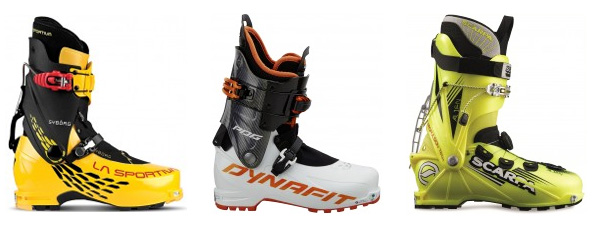
La Sportiva Syborg, Dynafit PDG, Scarpa Alien
The most suitable entry level racing boots are the La Sportiva Syborg, Dynafit PDG and Scarpa Alien. All three are similar weight (800-850g/boot in size 27MP) and are priced around $750 USD (700 Euro, $1000 CAD) depending on the deal you find. Therefore, your decision should come down mostly to already mentioned fit and availability.
Only slightly heavier but more suitable for regular touring with bigger skis are the new Dynafit TLT7 Performance and Atomic Backland Carbon Light, both weighing just over 1kg/boot in size 27MP. Both are priced around $900 USD (850 Euro, $1200 CAD).
For those that are ambitious right from the start or can spend more money, you can try jumping straight into the Dynafit DyNA (basically a lighter PDG) or Scarpa Alien 1.0. Then the very top level boots, even more expensive, are the Pierre Gignoux Race 400, Dynafit DNA, La Sportiva Stratos (Cube and Hi-Cube), and Scarpa Alien 3.0.
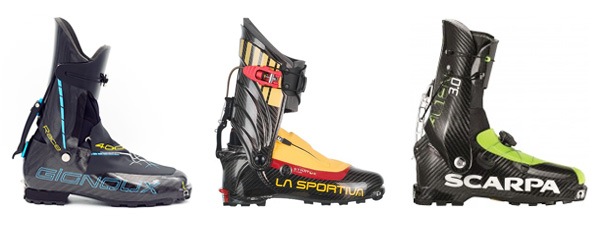
Pierre Gignoux Race 400 (virtually the same as Dynafit DNA), La Sportiva Stratos Hi-Cube, Scarpa Alien 3.0
Pierre Gignoux Race 400 (Dynafit DNA is vitually the same), La Sportiva Stratos Hi-Cube, Scarpa Alien 3.0

Skis

There are many skimo race skis on the market so I won’t list them all but I will give you a couple of pointers and will mention only those with the best price-to-weight ratio.
The good news is that the “entry level” skimo skis are generally only about 100-150g heavier that the top line yet costing about 20-30% less.
For racing, there is a rule that men’s skis have to be at least 160cm long while women’s can be 10cm shorter. You should be looking for skis weighing less then 900-1000g/ski and not wider than about 68mm (ideally 64-66mm) since all racing skins are manufactured for those widths.
To get you on race skis without paying the top price you should check out Hagan Ascent, Dynafit PDG, Atomic Backland UL 65, Voile WSP, Movement Gold Fish-X, or older models of race skis from these brands that can be still found on sale. You will pay around $600-700 USD ($800-950 CAD, 570-670 Euro)  for all of the above new models.
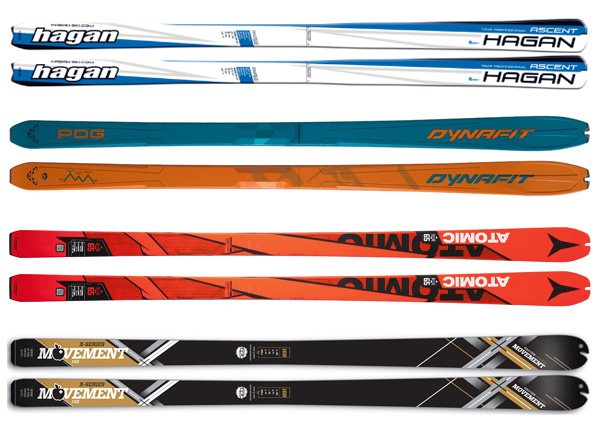
From the top: Hagan Ascent, Dynafit PDG, Atomic Backland UL 65, Movement Gold Fish-X
Overall, it’s difficult to recommend specific skis for a specific skier because it depends on your weight, height and style of skiing – aggressive, careful, expert skier, intermediate skier, etc. But in general all of them will ski somewhat similarly – the first couple of times, it will feel like you need to learn to ski again 😉

Bindings

There are three important things when shopping for race bindings (even “entry level”):

  • With few exceptions, all models can be mounted only for one boot size as the heels have no adjust-ability!
  • Don’t mix-and-match toe and heel pieces from two different brands on your race skis. First, it’s race illegal, and second it could pose a safety issue.
  • Buy a model without the auto-lock feature – it’s forbidden by the sport’s rules. This means that when you step into the toe piece it won’t lock itself right into the touring (or locked-out) mode automatically but rather you have to nudge it to that position.

The good news is that all bindings listed will likely last you for many seasons. The only maintenance you will need to perform is changing the heel pins every 2-3 seasons (they are cheap).
Here are the models we recommend: Hagan ZR (optional mounting plates allow heel to move), Plum Race 150, Plum Race 170 (possible to adjust heel for 2-3 different boot sizes!), Dynafit Superlight 2.0, Kreuzspitze SCTT, ATK Race SLR World Cup.
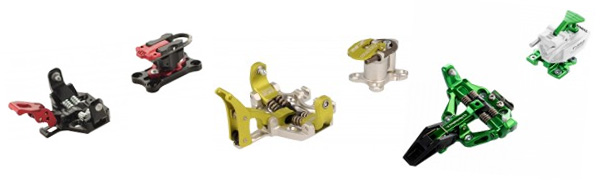
Plum Race 150, Hagan ZR, Dynafit Superlite 2.0
Plum Race 170, Hagan ZR, Dynafit Superlite 2.0
Once shopping, expect to pay around $500-600 USD (470-570 Euro, $650-800 CAD) for the models mentioned above.

Skins

Thankfully, there is not much to contemplate about “entry level” skins. You can just buy any skins that fit your race skis and are preferably made of mohair (or similar fast gliding fiber). The width should be about 3-6mm narrower than the middle of your skis – in general, race skins are pre-cut to 58-62mm and are the same width in their full length.
With that, we recommend buying the skimo race skins: Pomoca Race and Race Pro 2.0 models, Colltext PDG, Dynafit Speedskin, Ski Trab World Cup, Hagan Mohair.
Some race skins can be bought in a roll or as an ready-to-go package with bungee cord tip attachments already in place. The cost for a pair of skins will be around $100-160 USD (90-150 Euro, $130-220 CAD).

Pack

There are many skimo race packs on the market and more-or-less all of them perform quite well but like with boots the fit is important, and that is the crux with almost all packs if you are either smaller or taller than an average male (175-185cm / 5′ 7″ to 6′). The best idea is to try some on first or buy the one that lets you adjust the sizing.
All of last season, we worked with Ultimate Direction to design two race packs that allow for size adjustments and even come in two different sizes – the first skimo packs to ever do this! Both of them borrow some features from their famous running vests that we seamlessly merged with the necessary skimo functionality. Check them out: UD Skimo 8 vest and UD Skimo 18 vest.
For a new skimo racing pack/vest, expect to pay about $100-160 USD (90-150 Euro, $130-220 CAD).
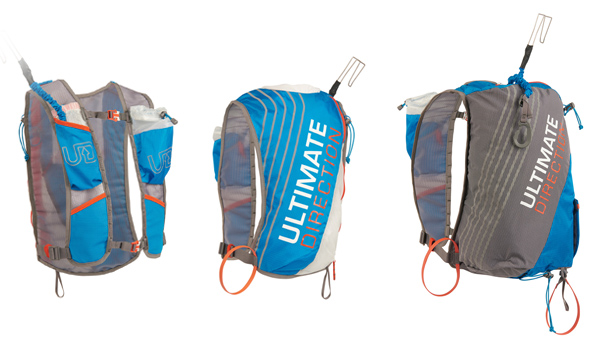
Ultimate Direction vests: Skimo 8 front, Skimo 8 back, Skimo 18 back

Helmet

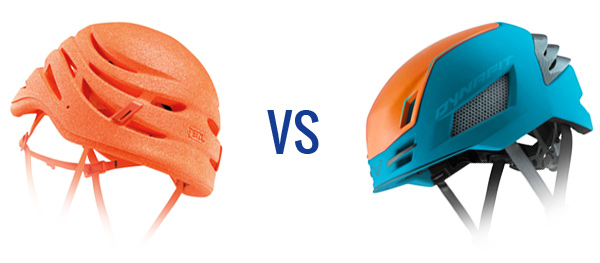
With new regulations coming into effect this season, we recommend buying only helmets that are fully compatible with these new rules – we wrote a whole article about this a couple of weeks ago so there you can find all the right models.
Beyond that, even more than with boots and packs, the fit is very important! And if there is some space for a bandanna/buff to slide inside for those cold days then even better.
skimo-helmets-matchup

Skimo Race Suit & Clothing

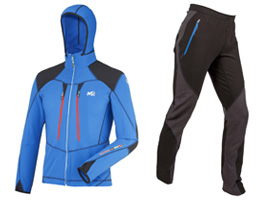
novice-skimo-racing-clothingWhile skimo race suits are fine pieces of gear designed for the most efficient skins management and ventilation I don’t think a novice to the sport needs one for their first couple of races. As long as your clothing is well/slim fitting and your jacket has some nice pockets for skins then you will be just fine.
The middle ground between a full-on one piece race suit and just slim fitting touring clothing are some double-piece “suit” options. Perhaps buying just a jacket will give you most of what a one-piece suit can offer.
One-piece skimo racing suits cost around $250-350 USD (240-340 Euro, $340-470 CAD) while the two-piece solutions would come to about the same if you buy both the bottom and the top.

Ski Poles

Just like with the race suit, you don’t need specific skimo race poles for your first couple of events and most of your training. Light ski touring poles will do. In fact, even top racers use pretty much just shorter xc skiing poles as they work quite well.
To figure out the correct length for your ski poles see this article on how to do it – How to choose the right length (and kind) of skimo racing poles for you.
Prices will range from $80 to $180 USD.

Avalanche Gear & Training

Last but not least, let’s take a brief look at the avalanche gear you will need for racing and your training. On top of that, you should also take at least some basic avalanche courses to educate yourself how to use this gear the most effectively as well as to how to avoid avalanches altogether.
Avalanche beacon – choose a 3-antenna beacon from reputable brands like Pieps, Mammut, Backcountry Access, Ortovox. Prices will range from $300 to $500 USD.
Avalanche probe – for racing you only need a 240cm probe but if you are going to buy only one then we recommend 280cm or 320cm length. The extra length is beneficial should you find yourself in a real rescue. Carbon probes are lighter than aluminum but are also more expensive – we leave it up to you to choose. Prices will range from $50 to $150 USD.
Snow shovel – just like with a probe, to meet skimo racing regulations you only need a “kid’s toy” shovel like CAMP Crest but we recommend buying a more robust shovel that is actually usable in a rescue scenario. If you opt for something with a short handle but strong blade of decent size then you will be way more equiped. Prices will range from $50 to $100 USD.

Final thoughts

After reading the whole article it may seem that skimo racing is a super expensive sport but it is possible to be strategic with your spending. You can buy a lot of used gear (don’t do this with avalanche beacon) or using online sales and package deals from specialized shops like Skimo.co or Cripple Creek BC. Also, remember, that lots of this gear will last you for many years and will take you to place no expensive carbon bike can ever do.
If you would like to know more about race gear and even skimo training then check out our Manual For Ski Mountaineering Racing where we discuss specific how-to tricks.
Filed Under: Gear, Tech & Food, Skimo Racing Tagged With: avalanche safety, Bindings, skimo boots, skimo helmet, Skimo pack, skimo racing gear, Skins, Skis

Helmets Don't Prevent Concussions but Still Useful

October 28, 2016 By Stano Faban Leave a Comment

With the news of ISMF rule changes regarding skimo racing helmets (see my article here) I have been looking for more information about how well the helmets work against concussion.
Probably like most of you, I just assumed that they help to prevent concussions on top of preventing scalp fractures, which obviously could be very life threatening. But it turns out I was wrong and helmets don’t really prevent concussions. The truth is that current helmets (skimo, bike, climbing, etc) are not designed or tested for such ability or feature.
By no means, this is not to say wearing a helmet is useless but it is definitely useful to know that if you had concussions before then  the best  for you is to adjust your behaviour (be careful) rather than only rely on a ski or climbing helmet to protect you.

Why helmets don’t prevent concussions

Here, researcher and athlete David Camarillo explains the issues in detail.

Filed Under: Gear, Tech & Food Tagged With: concussion, skimo helmet

Is Your Skimo Helmet Legal for Racing? New ISMF Rule and the EN 12492, EN 1077 and UIAA 106 certifications

October 24, 2016 By Stano Faban 23 Comments

skimo-helmets-matchup
Several weeks ago, we hinted that some new ISMF rule changes will affect the gear skimo athletes will need to use at ISMF sanctioned races starting in the 2016/17 season. Since then one of the most debated topics among athletes revolves around helmets.
Here, we are taking a deeper look at:

  • the new ISMF helmet rule and how it will affect the use of your (and our) current helmets,
  • what the certifications/standards mean,
  • what you should pay attention to in a store,
  • which helmets currently on the market have both of these certifications.

* ISMF stands for International Ski Mountaineering Federation and is the world governing body for skimo racing.

The new ISMF rule and required helmet certifications

For years, ISMF required our skimo racing helmets to meet only the UIAA 106 or EN 12492 standards. Both are basically the same and saying a helmet has been certified for mountaineering.
However, with the beginning of the new racing season our helmets will also require the EN 1077 classB standard – effectively meaning, a helmet has been certified for alpine skiing.
This is the helmet rule to the letter as of last update in early October 2016:

A helmet conforming to:
– UIAA 106 (For season 2016-2017 : UIAA 106 and EN 1077 classB standards)
– or EN 12492 (For season 2016-2017 : or EN 12492 and EN 1077 classB standards).
Helmets must be used (chin-strap has to be fastened) during the whole race (from the start to the finish line). CE/UIAA: Yes.

What do these certifications and standards mean?

In a nutshell, this is the difference between the two certifications/standards:

  • UIAA 106 and EN 12492 standards test and approve helmets mainly for impact from above such as rockfall, hence, the standard was designed for climbing and mountaineering helmets.
  • EN 1077 standard tests and approves helmets for alpine skiing where a lot of impact is happening on collision or when a skier falls. Statistically, in such situations the impact is coming from the sides or the back of the head.
    This standard further divides into class A and class B, which essentially only differentiates the amount of head’s side and back areas covered up by the helmet. Class A helmets cover the head more while class B helmets less, however, both meet the same minimal impact force requirement protection from directions defined in the standard.

Do you really need a new helmet?

The answer is not black and white. First check your old helmet for certification tags to see whether or not it is compliant with both standards. Beyond this:

  • You will need a new helmet if you are planning on racing in World Cups, World Championships or any races that fully comply with ISMF rules.
  • You may not need a new helmet right away for racing in smaller events in the US, Canada and other countries depending whether their federations and organizers follow ISMF rules to the letter or are a bit more “accommodating” for the sake of growing the local skimo scene.

As for US and Canadian races, we received confirmation from both federations that they won’t be enforcing this rule in the current season, and will only start to do so from 2017/18. This is because many of the new helmets won’t even make it to North American market this year.

Buying your new certified skimo racing helmet

When buying your new lid you want to make absolutely sure that it has the above specified double-certification. Check for those little “EN” stickers or tags inside the helmet or on manufacturer’s website as not all store employees will know the correct answer.

Ventilation

We are curious to see how the new helmets will ventilate. While safety is a priority, in skimo we spend majority of time climbing, with the surface of our heads being one of the most important areas through which the body cools. On most ski-rated helmets, vents are conspicuously absent – likely because they are primarily designed for descending, and therefore warmth.
Road cycling also went through this “ventilation” debate but the speeds reached on a bicycle while climbing are much higher than while skinning and the helmets don’t need to meet the mountaineering standard; therefore, cooling is much easier. It will probably take a few years before a happy medium is found and a manufacturer can develop a new skim0-specific design.

Currently compliant helmets on the market under 500g

skimo-helmets-comply-ismfAccording to our own research (mainly based on manufacturers’ websites) here is a list of helmets that comply with the new ISMF rule and are currently on the market.
However,many of these won’t be available in North American stores just yet.
Alpina Snow Tour – 330g
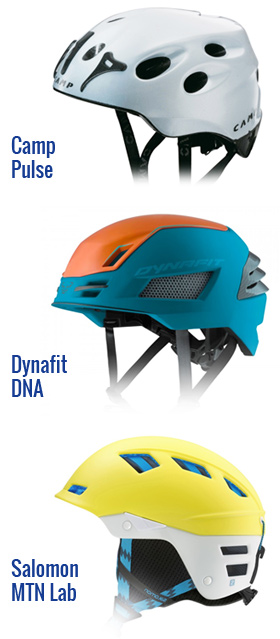
Camp Pulse – around 360g (must be used with winter kit for double certification)
Cebe Trilogy – around 360g
Dynafit Daymaker – 320g
Dynafit DNA – 290g
Dynafit ST – 320g
Kong Kosmos – 390g (also certified for cycling)
Mammut Alpine Rider – 430g
Salewa Vert FSM – 400g
Salomon MTN Lab – 300g – Read our review!
Ski Trab Casco Gara/Race – 280g
Ski Trab Casco Maximo – 280g
Uvex P.8000 Tour – 310g

Non-compliant but popular “ski mountaineering” helmets

Note that some of these helmets might meet the EN 1077 standard for skiing in the future but they first need to be tested for it, thus, as of now they don’t comply:
Black Diamond Vapor
Black Diamond Vector
Camp Speed 2.0
Dynafit Radical
Edelrid Shield Lite
Kong Leef
La Sportiva Mulaz (same as Crazy Idea Crazy NRG)
La Sportiva RSR (same as Crazy Idea Crazy Carbon)
Petzl Scirocco
Petzl Meteor
Ski Trab Attivo (same helmet as Kong Leef)

Filed Under: Gear, Tech & Food, Skimo Racing Tagged With: Camp, Dynafit, ISMF, Mammut, Salomon, Ski Trab, skimo helmet

Primary Sidebar

  • Facebook
  • Instagram
  • YouTube
Our Facebook Page

skimo-manual-banner-300px
 

Recent Articles

  • Kilian Jornet Interview: About His New Foundation, His Own Environmental Impact, and How He Wants To Help Athletes and The Outdoor Industry To Protect Nature
  • How Fast Are Glaciers Really Melting? How Will This Affect Your Mountain Adventures? Interview with Pascal Egli
  • Book Review – Art of Freedom: The Life and Climbs of Voytek Kurtyka
  • Forest Skis: Innovative, Custom Build, For Backcountry Skiing and Freeride
  • Lighter and Completely Redesigned: New CAMP Ultralight Ski Mountaineering Ice Axes

Categories

  • Contests & Giveaways
  • Crazy Tracks
  • Events & Races
  • Gear, Tech & Food
  • General News & Articles
  • Industry Press Releases
  • Movies & Books
  • News Shorts
  • People (Interviews)
  • Racing 101
  • Reports & Results
  • Reviews
  • Skimo Racing
  • Training, Tricks & Tips
  • Trip Reports & Conditions

Footer

About SkinTrack

Travelling through snowy mountains on skis is like flying… and experiencing life at its core.

Gear reviews, interviews, adventures, contests, skills, skimo training, race reports – we connect you to all things related to self-propelled skiing.

SkinTrack.com, created by Stano Faban, was born out of passion for ski mountaineering and ski touring. Over the years, it has become one of the most popular ski mountaineering blogs in North America.

Recent Articles

  • Kilian Jornet Interview: About His New Foundation, His Own Environmental Impact, and How He Wants To Help Athletes and The Outdoor Industry To Protect Nature
  • How Fast Are Glaciers Really Melting? How Will This Affect Your Mountain Adventures? Interview with Pascal Egli
  • Book Review – Art of Freedom: The Life and Climbs of Voytek Kurtyka
  • Forest Skis: Innovative, Custom Build, For Backcountry Skiing and Freeride
  • Lighter and Completely Redesigned: New CAMP Ultralight Ski Mountaineering Ice Axes

Useful Links

Comparing the lightest: Skis | Boots | Bindings

Skimo Training: Training Plans | Videos

Stay in Touch

  • Facebook
  • Instagram
  • Twitter
  • YouTube

Copyright © 2025 SkinTrack.com. All rights reserved.