
• Skip to primary navigation
  • Skip to content
  • Skip to primary sidebar
  • Skip to footer

SkinTrack

  • Lightest Gear
    • Skis
    • Boots
    • Bindings
    • Skins
    • Packs
  • Skimo Training
    • Training Plans + Skimo Manual
    • Transitions Videos
  • Facebook
  • Instagram

Stano Faban

Review of Julbo Aero Sunglasses: Perfect for Ski Mountaineering to Cycling and Everything Between

October 23, 2018 By Stano Faban 1 Comment

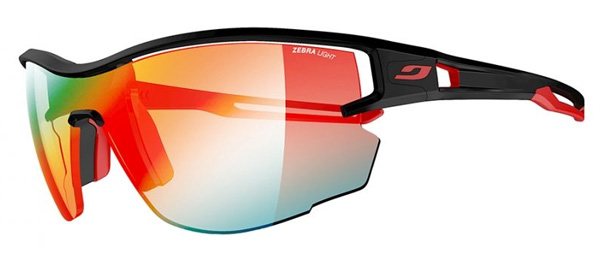
julbo-aero-review-sunglasses

Quick Overview:

Usual Retail Price: $130-250 depending on the lens
Weight: 34g only!
Lens we tested: Zebra Light lens – category 1-3 photochromic lens
Pros: very light, transition lens (category 1-3), anti-fogging, fit
Cons: didn’t really find any

Bottom Line:

Thanks to their fit and transition lenses Julbo Aero sunglasses work very well for a variety of outdoor sports. Their “airy” design helps the lens to stay ventilated which makes the sunglasses especially suitable for high output but low speed activities such as breaking trail in the winter or trail running.

Product Description and How We Tested It:

I started using the Aero sunglasses last spring for ski touring and a bit of xc skiing. As the seasons went by I have been using them also for cycling, hiking, running, mountaineering.
I would say that the best features of the Aeros are their anti-fogging capability, the transition lens and fit, so I will focus mainly on these three aspects in this review.
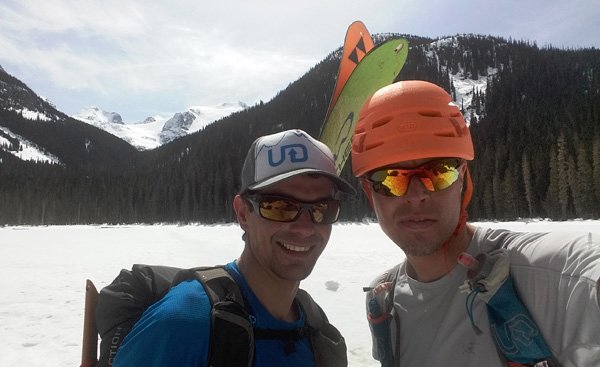
Me, on the right, wearing the Julbo Aero on a very bright day but with lots of N facing skiing so I preferred the lighter lens compared to the Montebianco model. Eric used a darker lens.

We all know that when sunglasses fog up too often then their other features don’t matter much because the whole point of sport sunglasses is to enhance our sight in challenging conditions, and of course, to protect our eyes.
Julbo Aero combines anti-fogging coating on its lens and ventilation-friendly design to keep the lenses clear even while I was breaking trail on skis in warmer and humid conditions.
While you can choose from a variety of lenses for these glasses, I recommend to go with a type that provides transition from category 1 (very light) to category 3 (medium dark). My Aeros have the Zebra photochromic lens with the category 1-3 transition which I found to be super useful for everything I do.
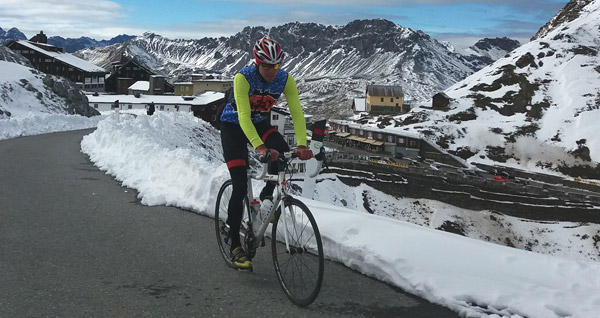
Riding the 2,757m high Passo Stelvio on a cold October day wearing the Aeros.

Of course, for bright days on snow or on a glacier the Julbo Montebianco offer better eye protection – find our review here – with their lenses transitioning from category 2 to 4.
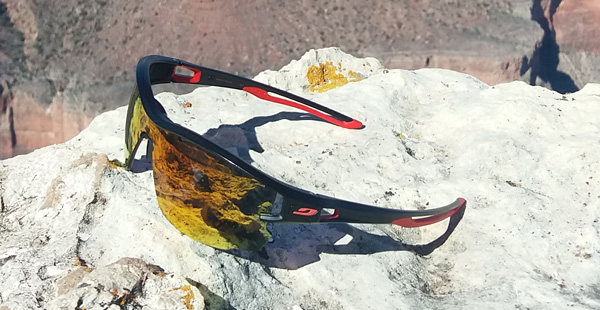
The Aeros design features light weight construction using only top frame. This makes for a wide viewing range, which I find essential for ski touring, and also saves on weight.
The stems are quite long and have lots of rubber coating. This makes them hold in place even during running and while keeping them on my ski toque or head when I am not using them. Width-adjustable nose pads help to customize and fine-tune the fit even more.
julbo-aero-review-sunglasses-2
Overall, I recommend these sunglasses for any sport. Their look is very sporty so if you are looking for something more stylish then check out the our review of the Julbo Montebianco model.

What We Think Could Be Improved:

There is not much I found that should be improved on these sunglasses as they work very well for the purposes and environments they were designed for. So it’s just about individual preferences and fit – I would say they probably fit better medium-to-larger faces.

Buying Julbo Aero online:

  • at Backcountry.com
  • at CampSaver.com
  • directly from Julbo.com
 

Filed Under: Reviews Tagged With: Julbo, sunglasses

Review of Karpos Race Skimo Racing Suit: Faster transitions, Breathability, Comfort

October 20, 2018 By Stano Faban 4 Comments

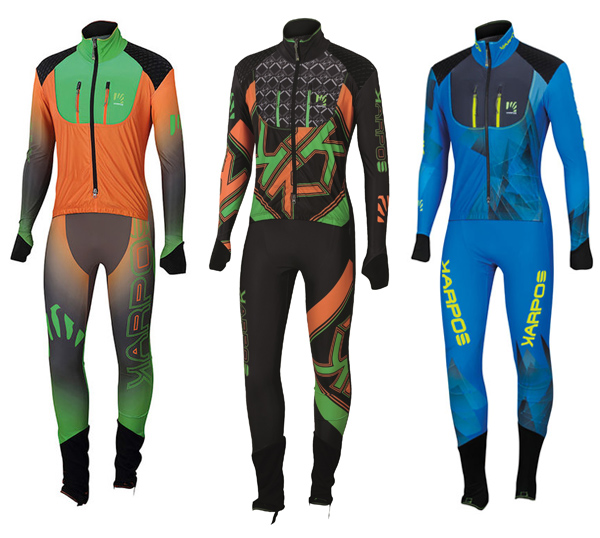
karpos-race-skimo-suit

Quick overview:

Usual Retail Price: around $300 USD
Weight: 530g (size L)
Pros: Pockets, Fit, Comfort, Breathability
Cons: Could use warmer fabric panel on knees
Suitability: skimo racing
Colour Options: There are a couple of variations you can find in stores. Two designs on the left, in the picture above, are the 2017/18 colours.

Bottom Line:

Karpos skimo race suit features practical outside pockets for faster transitions and overall efficiency. This race suits is perfect for warmer/spring conditions but can be easily adapted for colder days by wearing underwear of various thickness.

Product description and How we tested it:

We have used the Karpos Race suit for over 20 times now in various conditions – from warm spring sunny days to -15 Celsius (5 Fahrenheit), and in wet snow and cold deep powder.
This well designed piece of skimo wear comes from Italian outdoor clothing division of the well-known Sportful brand that manufactures custom clothing for many professional cycling teams and some national teams in other sports.
The Karpos Race suit is used by Italian and Spanish skimo national teams so you have most likely seen them in many photos and videos over the years.
Sizing is accurate, just make sure to follow Karpos sizing guide when thinking of buying one.
The whole suit is predominantly made using Lycra Power fabric that is defined on Karpos website as “fabric with a high degree of stretch, thanks to 250g Lycra Power and 30% elastane. Offers maximum support and muscle compression while at the same time allowing complete freedom of movement. Tear-resistant and offers UV protection.”
At first glance and try, the Karpos suit feels thinner than most other skimo race suits. We can confirm that this makes it highly breathable, even providing a cooling-like feeling in warm conditions. On colder days (below -8C), we definitely had to wear a warmer underwear than with Crazy Idea NRG suit for example (which can get quite warm in the spring).
Now, starting from the top down, let’s take a look at various features this race suit has to offer.
When fully zipped up, the collar stands tall and fits tight, providing a good overall protection in windy conditions. Fleece lining inside the collar (and around wrists) create a warm and comfortable feeling.
Shoulder fabric is thicker for improved durability and features “rubberized” silicone anti-slip inserts that provide extra grip for race pack shoulder straps.
Chest area pockets are where Karpos suit differs from other suits on the market:

  • There are two large stretchable mesh pockets on the outside that can store skins (without the need of opening the suit), or other larger items such as a drink flask or glasses. These two big pockets allow for really fast transitions.
  • Then there are two smaller pockets – one on each side – with vertical zippers that are great for storing gels, energy bars, phone or your car keys during a workout.

The inside of the chest area has one zipper pocket for your avalanche beacon (big enough to snugly fit Pieps DSP) and features a larger horizontal pocket, across the belly, for warmer skins storage.
Another distinctive feature of the Karpos skimo suit is that the upper body (torso) portion of the suit is semi-separated from the bottom half (leg) portion. While the back side is sewn into one piece, the front side features an “invisible” horizontal gap that allows for quick access to the inside of suit (and makes for easy peeing for male athletes).
There is a large ventilating mesh panel on the back side that spans from the lower back all the way up to under the neck. This provides for great ventilation but does let in cold air in lower back area in tail wind conditions.
Suit’s fit around the hips, thighs, knees and calves will obviously depend from person to person but the stretchy fabric should easily accommodate for many body types, without looking loose even on skinny athletes.
While the whole front side of the suit (top to bottom) feels like it has some kind of a “wind-protective” finish, the knees area could benefit from an extra windproof panel, or a warmer fabric, to protect knee joints on colder days and during downhills. The crotch area has a Windstopper insert and does offer good protection in descents.
Boot “gaiters”, made of durable Cordura fabric, allow for cutting custom holes for various models of skimo race boots. Overall, they fit well over most boots and do a good job at preventing snow from getting in.
Our overall practical experience with the Karpos Race suit has been very positive but there a few small things that can be improved.

What can be improved:

As mentioned already, the knee area could benefit from a warmer fabric panel. This might make less sense in Europe but would be great for Scandinavian countries and cold North American states and provinces.
Then the bottom of the big back side mesh panel could perhaps end a little higher, thus, offering better wind protection on windy days and during descents. However, this is likely something that other race suit manufacturers are trying to figure out as well.

Buying Karpos Race skimo suit:

  • for $300 USD at Skimo.co
  • at various other stores outside of North America

Filed Under: Reviews Tagged With: Karpos

Great Visit to La Sportiva Factory and Headquarters in Italy

October 8, 2018 By Stano Faban 2 Comments

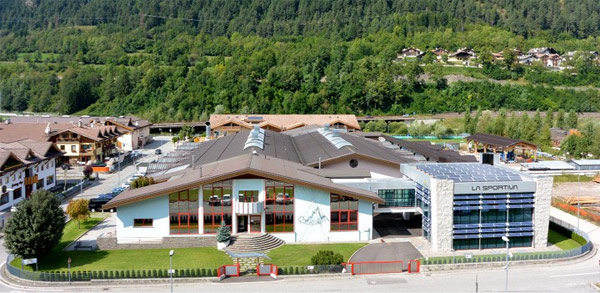
la-sportiva-visit-12
Who would think that twisting mountain roads, climbing over high passes, would land me in front of a factory of one of the most recognized brands in the outdoor industry?
But we were in Italy so finding La Sportiva headquarters and factory in a small mountain town was quite fitting. The little town is Ziano di Fiemme and is situated in the famous Val di Fiemme valley.

History, Factory Expansion and Impact on Local Economy

The La Sportiva’s factory I visited is highly specialized for production of their climbing shoes and mountaineering boots while the rest of their products (running shoes, ski boots, clothing) is manufactured elsewhere in Italy and around the world.
Narciso Delladio started La Sportiva in 1928 while hand-crafting wooden leather boots for local lumber-jacks and farmers. After the war, the demand for his boots increased and he started to expand into climbing and mountain boots as well.
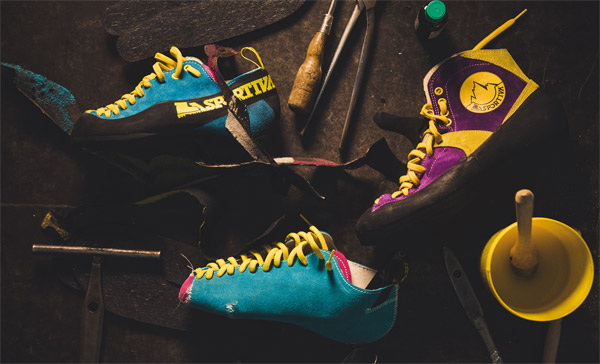
During the 1980s, La Sportiva set a firm foothold in the climbing market by releasing very innovative climbing shoes. These basically marked the start of modern rock climbing shoes. Since the product was so new they had to even invent and design some of the machinery so they could scale the production and deliver the desired quality.
la-sportiva-visit-1
With such rich history, local economy have depended on La Sportiva for close to a century and in 2018 the factory in Ziano have been expanded to double the production capacity. Today, the factory that also includes the headquarters employs around 250 people. This is a huge boost to the valley with only 15,000 residents.
» Here you can explore more about La Sportiva’s 90-year old history.

The La Sportiva Factory Tour

Since this main factory was recently undergoing an expansion I was not sure how much I would be able to see. Fortunately, most of the machinery was already moved when I showed up so I got a full tour. My guide was La Sportiva’s marketing manager Luca Mich who is native to the valley and is proudly with the company for over 10 years.
la-sportiva-visit-2
We started the tour by Luca explaining a couple of things around their manufacturing secrets and that he would let me know when it is fine to take photos and when not.
Then all of a sudden, after entering through a big door, we were inside.
la-sportiva-visit-3
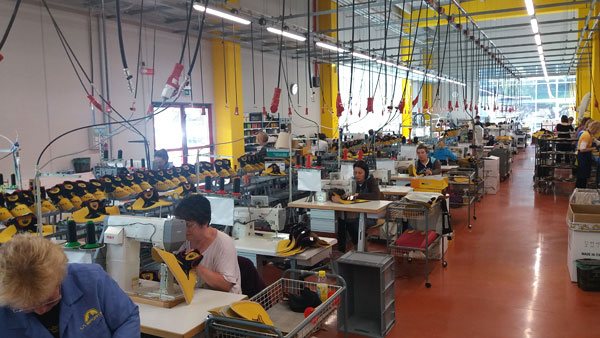
Luca was saying something but I couldn’t pay attention as my eyes were all over the place trying to process what was going on. There were many workers, lots of machinery and unrecognizable pieces of gear everywhere.
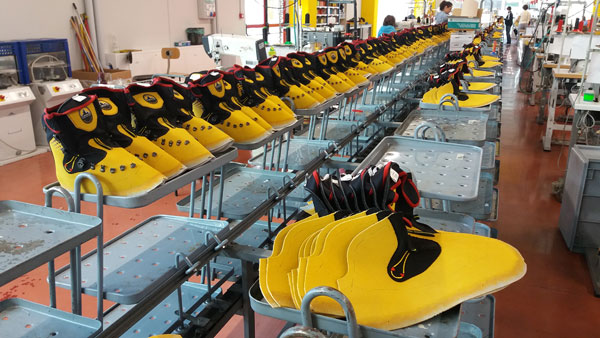
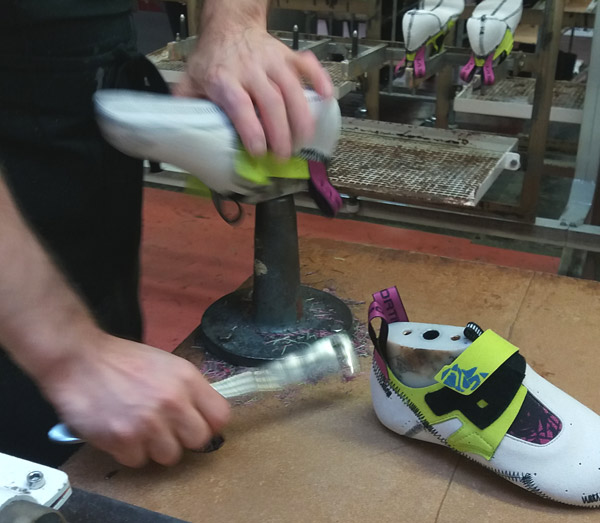
Despite all the technology on the floor, human hand is still touches the product and doing most of the work in every single step of production at this La Sportiva factory! This approach allows La Sportiva workers to constantly check quality along the way.
la-sportiva-visit-10
Another cool things that I observed were:

  • many young workers around 25 years old, of which most live in the valley;
  • glues used in production are water based so irritating smells are very limited;
  • and that the factory building captures CO2 through its filtering system to prevent it from escaping into the atmosphere.
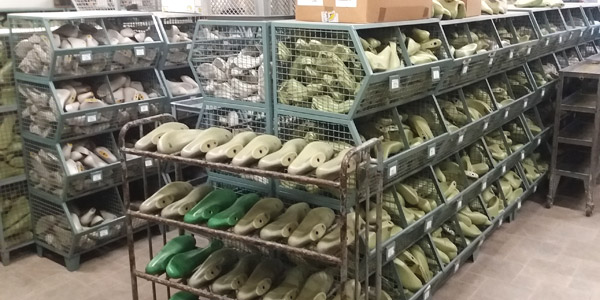
Arguably the most valuable asset for any shoe manufacturer are the molds.

Production Steps

Since the factory I visited makes only climbing and mountaineering shoes the below describes the process I observed for this specific gear category.
Climbing or a mountaineering shoe consists of around 30-35 pieces of various materials that are glued and sewn together.
Also, the factory switches production of different models about once in two weeks.
The process:

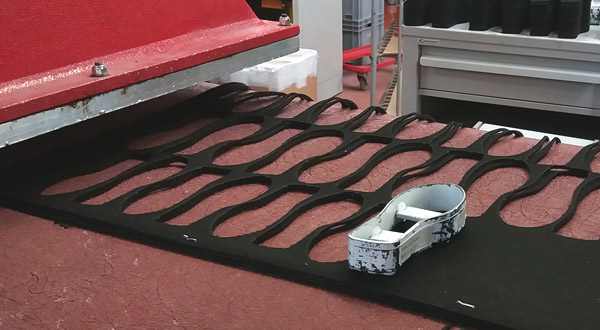
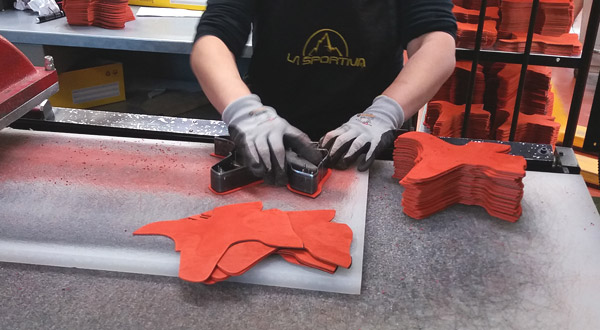
  1. Raw materials – leather, rubber, fabrics, etc – are cut using machines into specific pieces for a model in production that week
  2. Soft material pieces are then sewn or glued into a shoe or a “sock”
  3. Rubber soles and other rubber and plastic pieces are glued into place on the “sock”
  4. Excess rubber is shaved and finished/polished
  5. Final quality check
  6. Shoes are packaged into a box and off they go into stores
Cutting the soles out of sheets of Vibram rubber.
Cutting leather pieces for climbing shoes.
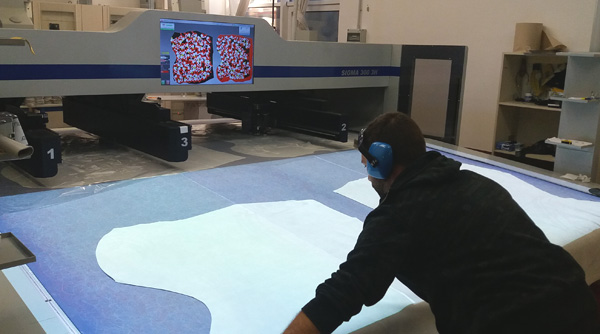
This big computer-operated machine helps to minimize wast when cutting textile or very thin leather.
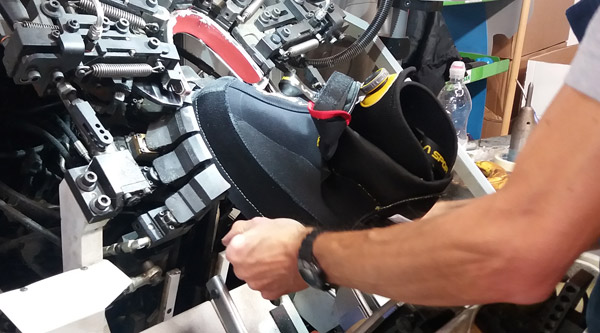
A boot is coming together.
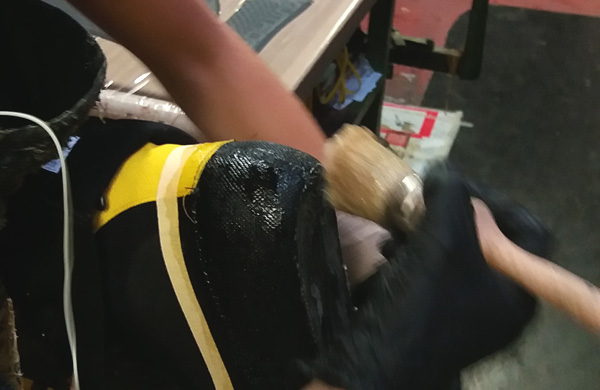
Applying anti-abrasion coating.
Almost finished.
Almost finished.


Relationship with SkiTrab

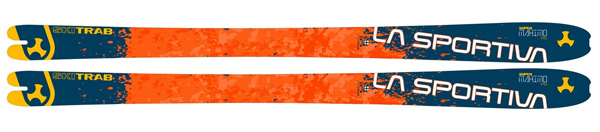
Couple of years ago, La Sportiva started to venture into the world of ski mountaineering and ski touring. After some testing years, the company decide to partner with SkiTrab – another famed Italian brand – to help them with skis production.
I believe this is a great partnership for both sides – they are companies with similar values and both still family owned – and they can help each other compete with giants such as Salomon or Dynafit/Salewa.
la-sportiva-skis

La Sportiva Expects Good Growth

The two segments La Sportiva expects to rapidly grow in the near future are trail and mountain running, and rock climbing, whether that be outside or within indoor gyms. The company plans to focus on these two segments so we can expect many new great products here from this Italian brand.
As for winter sports, La Sportiva sees expansion for ski touring while it is probably not going to bet much on speed oriented ski touring and ski mountaineering.

Filed Under: Gear, Tech & Food, News Shorts Tagged With: La Sportiva

Report from Meet the Minotaur – Exciting New Mountain Running Race in Canada

September 14, 2018 By Stano Faban Leave a Comment

meet-minotaur-5
For several years now, I’ve made the trek down to southwest Alberta to race the Castle Mountain Skimo Race but I’ve never been to that part of the Rocky Mountains in the summer.
Of course I’ve heard about the (in)famous Sinister 7 Ultra that takes place in Crowsnest Pass but never thought of it as much of a running destination until a very enthusiastic Noah Schuh described the coolest race he’d ever done – Meet the Minotaur. I decided to sign up and see what it was all about, plus I’d get to take a quick stop in Roger’s Pass en route!
This race report was written by Eric. Full results are at the bottom.

Tapering

Race day approached and pre-race emails started to roll in with vague warnings of dangers on the course and required equipment including a helmet, gloves, and bear spray. I was a little skeptical that this might all be a bit of an overreaction.
En-rouote to Crowsnest Pass I met Matt Ruta in Roger’s Pass and we went for a pleasant climb up Mt. Tupper. Rumors of scary soloing were overblown and we had an excellent day, though, a 5hr mountain run isn’t exactly an ideal race taper activity.

Race Day – August 25, 2018

Meet the Minotaur (their website) very much resembles a skimo race in that we covered ~2100m+ over 17km, mainly in three major ascents and descents. There was essentially no flat running and just a few undulating ridge sections.

I’d highly recommend this event to any runner or skimo racer who truly loves moving fast in technical, mountainous terrain.

Race morning came quickly and I headed to the start location just outside town. The 10am start was particularly civilized and allowed the temps to warm up a bit before we had to take our jackets off to get going.
meet-minotaur-1
With 150 athletes on the starting line, it wasn’t quite the backwoods event I was expecting. It’s definitely not an obstacle course race and while staying on course is a concern, navigation is not a major component of the race.
While the course was kept secret prior to the race, no maps were necessary and it was well marked. The organizers had their systems dialed and everything from the bib-pickup and check-in to the pre-race meeting was smooth and efficient.
As usual, a handful of racers pushed hard off the start and faded. I found myself leading for a moment before another racer surged ahead. I latched on, not realizing at first that I was following Troy Misseghers, local hero and champion of the inaugural event in 2017. We ground up the first ascent together, realizing that we’d opened a sizeable gap on the chasing athletes.
meet-minotaur-3
As we rolled over the top of the first climb, we dropped down to a checkpoint station and then down the first scree descent. Troy took off hard down the slope while I held back a bit to be cautious. It was just that terrible kind of scree where the rocks were big enough you couldn’t just surf them and had to be careful of getting bitten in the ankle but not big enough to trust that they’d stay in place when you jumped on them.
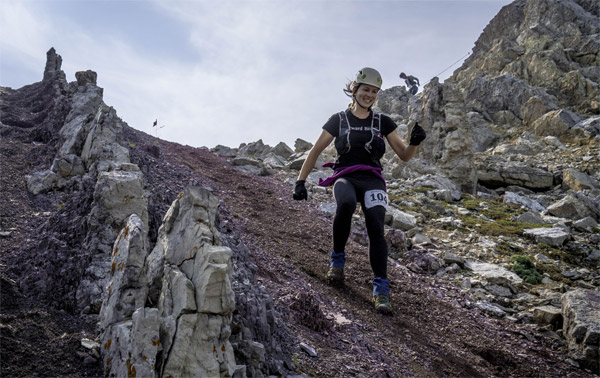
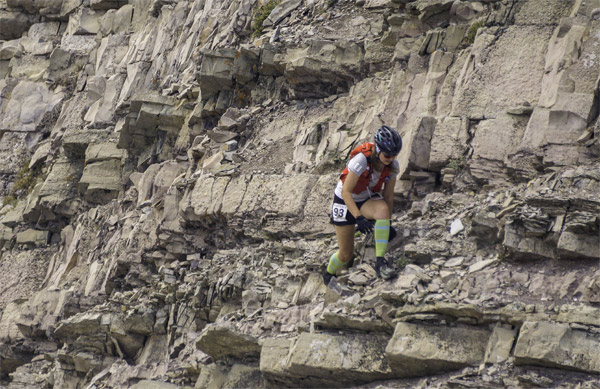
I made the time up again on the next ascent so Troy and I cruised across the ridge together. This had the majority of the scrambling terrain on the course with a few exposed ridge crests and some up and down climbing of rock steps equipped with ropes.
meet-minotaur-4
There was consistently stone fall as we moved together. Even two relatively experienced guys moving carefully, we dislodged some rocks. I can imagine it was considerably worse later in the field, with many people moving through these areas together. The helmets were definitely a wise decision. I was also very glad to have gloves on as per the mandatory equipment. I don’t usually wear gloves while running in the mountains in the summer but, while racing, I took 5-10 small slip and falls that would definitely have cut up my hands pretty badly.
Troy and I worked together throughout the race. The course was well marked with flags and tape. Not so well that you could turn your brain off, but not so sparse that you would ever get completely lost. While looking down at our feet, we also had to look ahead for the route. We were definitely pushing each other during our respective strong sections of the course. Troy would bravely smash ahead on the descents and I’d try to make him hurt on the climbs.
meet-minotaur-2
As we approached the final climb, we both expected it to be a bit longer. I pushed hard and opened up a gap. When I realized we were approaching the start/finish area, I really gave a good push and managed to roll into the finish with less than a minute to spare. Not long after, the lead woman, another local, Anna Koevoet crossed the line, dominating the women’s competition, all in preparation for racing the following weekend at Run the Rut SkyRace in Montana!
The atmosphere at the start/finish area was excellent with everyone hanging around for a taco bar and the awards presentation. Andrew, Ian, and the rest of the race organization did a fantastic job encouraging athletes to take the short course if they were on track for a long day and before long, the last few racers were finishing.
I’d highly recommend this event to any runner or skimo racer who truly loves moving fast in technical, mountainous terrain. I even left out a few of the race “twists” for you to discover next year. I’ll certainly be back!
Full results – click here

Filed Under: News Shorts Tagged With: Eric Carter, Meet The Minotaur

Andreas Steindl Sets a New Speed Record on Matterhorn

September 13, 2018 By Stano Faban Leave a Comment

On August 27, Andreas Steindl set a new speed record for going up and down the iconic Matterhorn (4478m) from Zermatt via the Hornli Ridge route.
Andreas is a 29-year-old Swiss mountain guide and a member of the Swiss National Ski Mountaineering Team who is known for his speed mountaineering abilities.

Photo by Samuel Anthamatten.
» Back in July, another Swiss mountain guide, Dani Arnold, set a new speed climbing record on Grand Jorasses.

Matterhorn FKT via Hornli Ridge – August 27, 2018

While Kilian Jornet holds the speed record for a round-trip on Matterhorn from the Italian side (starting and finishing in the town of Cervinia), Steindl now holds the record on the Swiss side starting and finishing in his hometown of Zermatt.
Andreas’ took 2 hours 38 minutes to ascend the 2860m to reach the summit from the church in Zermatt, and after running down this iconic mountain he stopped his watch at 3 hours 59 minutes 52 seconds.
Kilian’s route via the Lion Ridge from the Italian side is a bit more difficult than Hornli Ridge but has more fixed rope sections. The elevation gain for ascend via the Lion Ridge is also less, at around 2500m. However, Kilian took only 2 hours 52 minutes for his round-trip. He set this record in August 2013.
Video from Andreas’ record day:

Video from Kilian’s record day in 2013:

Five 4000m peaks in a day by Andreas Steindl – 2015

Back in August 2015, Andreas set an outstanding record for linking up – by running and speed climbing – 5 peaks going from Zermatt to Saas Fee. He covered a total of 31km and ascended just over 4000m.
He needed only 7 hours, 45 minutes and 44 seconds to complete this difficult route.
Here is a really good 25min video from that day:


Filed Under: News Shorts, People (Interviews) Tagged With: Andreas Steindl, Kilian Jornet

Dani Arnold's New Speed Record on Grandes Jorasses and Beyond

August 18, 2018 By Stano Faban Leave a Comment

dani-arnold-grandes-jorasses
Dani Arnold has been rising up as a speed climbing star following Ueli Steck’s path and over the last couple of years he has accumulated a number of record achievements.
After Ueli’s accident and death on Everest’s west peak, Nuptse, in May of 2017 it was another Swiss taking over the speed climbing world.
Just like Ueli, he has now climbed all three big north faces in the Alps in this unique style.
Dani Arnold was born in 1984 (8 years later than Ueli Steck) and is a Swiss mountain guide.

Grandes Jorasses – July 27, 2018

While the news and video broke to public only recently, it has been almost a month since Dani Arnold climbed Grandes Jorasses in 2 hours 4 minutes via the famous Cassin route (also know as Walker Spur).
The 1200m route is a rock climb starting at 3000m. Its difficulty is rated at around 5.9 (UIAA VI). Apparently, he climbed it without wearing a harness or bringing a single carabiner.

Matterhorn – April 22, 2015

Dani Arnold’s second speed record in the north face trilogy came in 2015 when he successfully climbed the Matterhorn’s north face in a new record time of 1 hour 46 minutes.
His time was 10 minutes faster than Ueli Steck’s in 2009. Dani climbed the Schmid route, same as Ueli, but with a different variation higher up the mountain.

Eiger North Face – April 20, 2011

After Ueli Steck’s unimaginable speed record on Eiger’s north face in 2008 via the classic Heckmair route – he climbed in 2 hours 47 minutes – it was Dani Arnold’s time to try in 2011. Choosing a period with more traffic on the route than during Steck’s attempt, Dani climbed it in 2 hours 28 minutes.
In 2015, Ueli Steck “The Swiss Machine” came back and took more of Dani’s approach and reclaimed the record by about 5min, which is standing to this day at 2 hours 22 minutes.


Filed Under: News Shorts, People (Interviews) Tagged With: Dani Arnold, Ueli Steck

Roller-ski Training For Skimo: Video, Drills and How-to tips

August 15, 2018 By Stano Faban 1 Comment

Should I be including roller skiing in my summer and fall skimo training? And what should I even be doing?
If you have been wondering about the benefits of roller-skiing as part of your fall skimo training then we have some how-to tips. Eric provided most of the advice while Stano added some details as well. And we even shot a video to show you some drills 😉
For full descriptions of drills in this video, read the lower part of the article.

Who should consider roller skiing for skimo?

Before we get into specifics, let’s find out who will benefit the most and who can get by without it.
For most recreational competitive skimo racers, the best summer and fall training option is your favourite summer sport. Trail running, mountain biking, cycling, paddling and others provide excellent training stimulus that translates pretty well over to winter skimo fitness, especially when combined with a bit of skimo-specific training early in the season. Generally, for these athletes, we don’t recommend roller-skiing as a must.
Highly competitive athletes, for whom skimo racing is their primary sport and specific training occurs year round, might consider using roller skis in specific workouts to supplement their summer training. This group will reap the most benefits, especially if they need to perform at high levels from the very beginning of the skimo season.
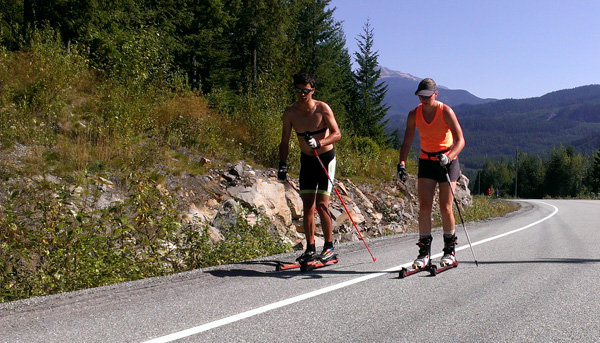
callaghan-roller-skiing-2

How to choose and setup your roller skis for skimo training?

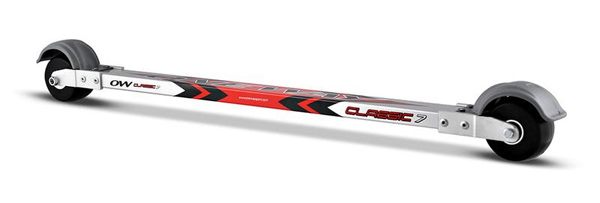
First, choose a pair of roller skis that is designed for classic skiing and not skate skiing. This means that the rear wheel has a racket that allows it to only roll forward. This will allow you to mimic a skimo stride as if you were on snow using skins (gliding only forward).
Some athletes mount the roller skis with a tech binding toe pieces, thus, allowing them to use their skimo race boots. This seems like a good idea, as it is more sport specific, but in practice it’s not the best option for everyone. The primary issue is that skimo boots are much longer than cross country ski boots, therefore, especially for guys with big feet, the toe piece must be mounted further forward to fit on the roller ski. That affects balance of the ski, impacting both technique and downhill ability. Without space to mount a heel piece, having only a toe piece to hold you into the ski, means that descending is extremely dangerous. Skimo boots are also much warmer than a cross country ski boot and with increased sweating your feet will be more prone to blisters.
oneway-roller-skis
Since we don’t see significant upsides to using a skimo boot, we recommend athletes use a classic cross-country (xc) ski boot and binding. These can be found pretty cheap at ski swaps and if you are buying a used roller-ski, it likely already has a binding. A slightly less supportive xc boot will also exercise your ankle stabilizing muscles and strengthening them in the process.

Terrain for skimo roller-skiing

The challenge with roller-ski training for skimo is finding the right terrain. Cross country ski terrain is rolling and fast, yet skimo is all about the long and comparably steep ascents.
While rolling country roads are ideal for simulating long cross country skiing stride, very few paved roads are built steep enough to replicate the grade of ski mountaineering racing tracks. If you are lucky to have a hill that is long and steep enough to properly mimic skimo technique, it might be quite the challenge to descend. Alternate methods of descent may be necessary such as hiking down, pre-placed bike, hitch hiking, etc.
Quality of the paved surface is important as well. Just like for roller-blading, the best surface is smooth paved road without much debris on it. However, these days you can also buy “off-road” roller skis with bigger wheels that perform quite well on gravel roads or less smooth pavements.

Maximizing the training benefit and Specific workouts

After the rant above, we recognize that roller skiing is not completely worthless so let’s discuss some specific details if you want to incorporate into your training.
training-plans-banner-600x260
Zone 4 intervals:
Even a short steep hill can provide a good place to do short, hard intervals (something like 6 x 3 min in Zone 4). These intervals can be used in the intensity phase of your training and will serve to help sharpen both your anaerobic threshold as well as your ski-specific upper-body strength.
Technique and strength drills:
Roller skis are also useful for ski-specific core and upper body training. By double poling instead of striding, it becomes a much more core-intensive workout. One of my favorite sessions is a ski-specific strength workout on a flat or slight uphill that includes 10 x 30sec of “single-stick” alternate poling (a striding motion using the arms but not the legs), followed by 10 x 30sec of core-only double poling, and finishing with 10 x 30sec of full body double poling (a crunch motion that cross country skiers use on flats).

Final advice

Our advice for most athletes is that it is not worth the time and expense to include roller-skiing in your summer training. Most will see more gains by sticking to their primary sports and adding a skimo-specific strength routine in their gym strength sessions – see our Manual For Ski Mountaineering Racing and 12-week training plan for skimo strength routine and more detailed winter training.
For some athletes, however, especially former cross country skiers who already have the equipment, roller skiing can be a useful but still somewhat small component of their overall training for skimo.
And be careful on those descents! 🙂
 

Filed Under: Skimo Racing, Training, Tricks & Tips Tagged With: roller-skiing, skimo training

Report: Tromso Skyrace – Tromso, Norway – August 4, 2018

August 10, 2018 By Stano Faban Leave a Comment

This race report was submitted by our friend and summer SkinTrack contributor Shaun Stephens-Whale.
The Tromso Skyrace is a technical trail/mountain running race held outside of Tromso, Norway. At 58 kilometers in distance and with over 4400 meters of climbing, the race has become a part of the new Sky Extra discipline – a merger of the Sky Extra and Sky Ultra disciplines in the Migu Run Skyrunner World Series. Designed and organized by ultra running legends Kilian Jornet and Emelie Forsberg , it should be of no surprise that this race is advertised towards highly experienced competitors with mountain knowledge.

Photo by David Gonthier.
The course itself traverses through a wide array of terrain: from the lower valley swamps and rivers to the upper scree climbs, narrow ridgelines and alpine lakes. Two distinct mountains, Tromsdalstind mountain, climbed twice, and Hamperrokken mountain are the focus of the event. Jornet and Forsberg flag the course days in advance and often chose the most efficient line – whether that is traversing a narrow ridgeline or a 50 degree slope. This constant up-down assault on the legs favors the stronger athletes; perhaps, it should be of no surprise then, that the course record is held by Great Britain’s Obstacle Course Racer Jonathon Albon.
The 2018 edition of the Tromso Skyrace returned for its 3rd edition on August 4th . In addition to the featured 58 km distance, the race offered a vertical climb and a 32 km event, providing a more modest challenge to those unready to face the full distance.
» Tromso Skyrace website

How the Race Unfolded

Within the first hour, a group of three men emerged from the pack on the cloud soaked slopes of Tromsdalstind – Jonathon Albon alongside fellow countryman Andy Symonds and Russian Dimitry Mityaev. As they crested Tromsdalstind, the three were still within striking distance of one another but on the steep descent a conservative Albon began to gap his rivals. Scarce course markings encouraged participants to craft their own lines down into the valley below, likely benefiting Albon and his past knowledge of the course.
As Albon continued to extend his lead, the podium battle behind him was shifting, with Symonds relinquishing his podium position to Pere Aurell of Spain. After an accident the previous year, a section of the rocky Hamperrokken ridgeline had been removed from the course – a decision that shows how delicate the balance between masterful course design and inevitable injury is. Pere Aurell began to pull away from the Russian on the slopes of Hamperrokken, while Symonds continued strong, in fourth position. As participants crested the mountain, the usual snow covered gully that brought racers back to the valley floor had been replaced by a jagged boulder field, which would prove one of the most challenging sections of course.
Despite a mounting gap, Albon continued to push up the final climb and was rewarded with an incredible 15 minute lead by the top. On the last downhill this lead was only extended and Albon finished in a time of 7:04:06, only three minutes slower than his course record set the previous year. Aurell continued to run in second, out of sight of his nearest competitors. While after slipping down to 6th position on the perilous downhill, Symonds maintained confidence in his climbing legs and began moving up the field, cresting the final climb of Tromsdalstind within reach of Mityaev. On the final descent, the two battled for the final podium spot, with Symonds gritting his teeth and capturing 3rd , in 7:32:54. Pere Aurell was not to be challenged in 2nd , finishing in 7:28:56.

Women’s Race

The women’s race proved a closer battle for the top podium spot, with US Hillary Gerardi battling Spain’s newly minted World Trail Running Champion Gorgia Tindley onto the slopes of Hamperrokken. Though Tindley had been outclassing Gerardi on the early descents, Gerardi was able to pull away from Tindley on the slopes of Hamperrokken and never looked back, cruising to the finish in a course record time of 8:14:09. This time, incredibly, was good enough for a top ten overall position in a deep male field. Fellow American Brittany Peterson, was having a successsful day, keeping both Hillary and Gorgia within minutes of her all the way to the final climb of the day; she was rewarded with a 3 rd place result of 8:40:38 – over an hour clear of the next competitor. Gorgia Tindley held on for a strong 2 nd place finish, in 8:27:13.

Full Results

For full results see here.

Filed Under: News Shorts Tagged With: Kilian Jornet, Tromso Skyrace

Tantalus Range Traverse – 40km, 5000m, 18 hours: Eric Carter, Greg Hill, Ross Berg

August 2, 2018 By Stano Faban Leave a Comment

Despite being one of the most spectacular places in the Sea-to-Sky corridor (between Vancouver and Whistler, BC, Canada), Tantalus Provincial Park is one of the least well traveled. This is partially due to problematic access – the vast majority of users use helicopter – and partially due to the difficulty of the terrain.
tantalus-tr-5
Over many trips into the area, I’ve become more familiar with the terrain throughout the Tantalus Range. Single routes no longer seem as daunting of an effort and the appeal of the area is no longer just getting there and doing something, but trying to string chains of routes to maximize the time in the alpine and technical terrain covered.

2016: First attempt – Eric Carter with Nick Elson

In 2016, Nick and I had our eyes on the Tantalus Traverse. This route starts at the north end of the range (at the Sigurd Creek trailhead) and climbs over the shoulder of Pelion Mountain before ascending the North Ridge of Tantalus (a classic climb in south-west BC) and then descending to the south past the Haberl Hut, and down past Lake Lovely Water to the Squamish River. All said and done, we traversed Mount Tantalus from car-to-car in just under 11.5hrs.
While the trip was an incredible adventure and a proud accomplishment, it was hard to shake the feeling that we had run past a lot of summits that we really should have tagged. As Peter Croft says: “summits do matter!”, and almost immediately the seed was planted. What if we followed the same route but tagged as many summits as possible along the way? There’s no shortage as more than 16 named peaks lie in the vicinity of the park.

2018: Second attempt – Eric Carter, Greg Hill, Ross Berg

Length: 40 km, Elevation gain: 5000 m
Strava file: https://www.strava.com/activities/1722423067

An obvious loop follows the divide that is seen from the Tantalus highway viewpoint on Hwy 99 (just north of Squamish). This includes five summits:

  • Mount Pelion
  • Mount Tantalus
  • Mount Dione
  • Mount Serratus
  • Mount Alpha

Fast forward a few years of practice scrambling and climbing in the mountains and the “complete” Tantalus Traverse was still on my mind.
The Arcteryx Alpine Academy comes to Squamish every summer and with it, an influx of some of Canada’s raddest athletes. I’ve known of Greg Hill for his reputation as a skier for some time. In 2013, Nick and I broke his long standing record skiing around the Spearhead Traverse. This season was the first time we’ve actually crossed paths in person though. After an introduction from Adam Campbell and the assurance from local guide stud Ross Berg that snow conditions were still optimal, we decided to give it a go.
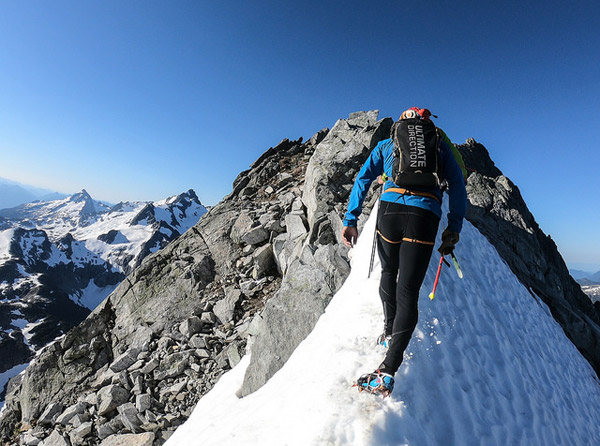
With the hope that we could do the whole traverse in less than 20hrs, we debated start times but settled on a “reasonable” alpine start of 2:30am. After stumbling through a backcountry rave being held at the trailhead, we were off up the Sigurd Creek Trail by headlamp. After climbing up northern slopes on Pelion, we emerged from the tree-line and started climbing open moraine, slabs, and glaciers. The first amazing view comes crossing the East Shoulder of Pelion. After a 2000m ascent, you get to see the full Tantalus Traverse laid out in front of you. It’s inspiring and daunting at the same time – there’s a lot left!
tantalus-tr-3
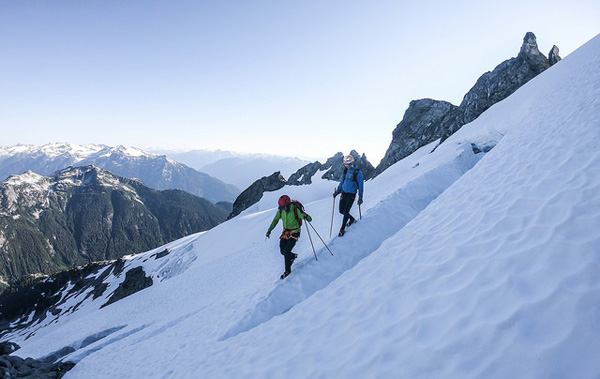
We scrambled a loose gully to gain snow slopes on the north side of Pelion up a beautiful crest to the summit. Descending back to the shoulder, we regained the standard route and crossed down towards the Tantalus-Zenith Col. After saying a brief hello to a heavily laden group doing a multi-day trip in reverse, we continued towards Tantalus.
The North Ridge presents some glacial difficulties but then gives way to excellent alpine scrambling on a sidewalk in the sky. Views are incredible down the steep Rumbling Glacier with Squamish and Howe Sound to the south, the Ashlu-Elaho Divide to the north, and the Sunshine Coast to the west. We romped along up the ridge and tackled the final 3rd class pitch that leads to the summit slopes. The sub-summit and final scramble to the peak are some of the most engaging and exciting climbing on the route.
With our second summit under our belts and generally feeling pretty good, we started the most complex portion of the day, descending off Tantalus. Luckily, having guided it many times, Ross’ experience here was invaluable for quickly locating the four rappel stations and moving as efficiently as possible. Despite taking our time, we quickly found ourselves back on snow and then it was just a short out and back scramble to summit three – Dione.
tantalus-tr-2
Low on water, we moved as quickly as we could down the roasting hot Dione Glacier towards the Haberl Hut. We gulped as much water as we could at the first melt-water stream we crossed, and then stopped at the hut to quickly boil some instant noodles. The salt was incredible and gave us a much needed boost.
The West Rib of Serratus was one of the few sections of the day I hadn’t actually previously done. It’s pleasant 4th class scrambling on good rock. We’d already spent so much of the day on that type of terrain, however, that we just hoped we could get through it quickly. Soon enough we were on the summit, polishing off the remains of our food with only Alpha remaining to the East.
The North Face of Serratus is a classic steep ski descent but had softened up nicely in the afternoon sun so we made quick work of it, boot skiing down to the lower glacier with just a few crevasses to avoid. From here, we had to drop surprisingly far down to gain the Serratus-Alpha Col. With the feeling that the day was in the bag, we plodded up the West Face of Alpha (3rd class) in what was the hottest and most unpleasant climb of the day.
tantalus-tr-4
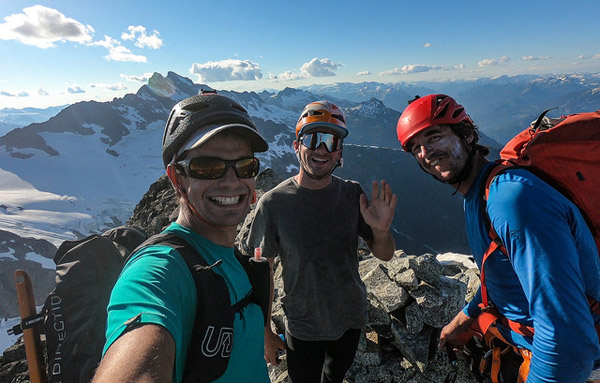
Luckily the unpleasantness of climbing Alpha was completely washed away by the psych that we felt on reaching the summit. We had accomplished our goal of five peaks and were on track to get back to the river before dark if we moved quickly. It’s all downhill from here! We made quick work of descending the East Ridge of Alpha and nailed the route back to Lake Lovely Water. It’s poorly marked and often not much of a footbed so we were a little nervous we could get off track there. From the Lake, the trail down is good (compared to the rest of the day) and we put our heads down and pushed hard to get to the river. Fatigue was showing and we each had several wipe-outs.
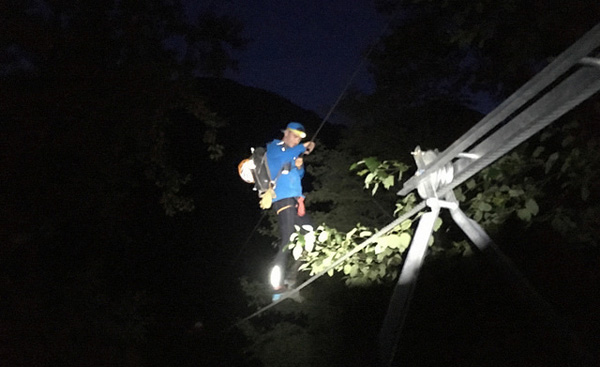
We put on headlamps just as we arrived at the Squamish River cable car station and stopped our watches after about 18hrs of mountain travel. All that remained was to cross the river and walk a few short km to our car. Unfortunately, this was what we were worried would be the crux of the day. With the cable car itself locked up on the far side of the river, our options were swimming, which seemed needlessly dangerous, or tightrope walking on the haul cable while clipped in to the upper cable above our heads, via ferrata style. Greg launched off first so he could get a head start on the trip back to the car so Ross and I sat on the near station and cheered him on (heckled). The upper cable that you clip your tethers to has four metal cones anchored to it for aircraft visibility. They require that you kind of push around them after clipping past but we’d heard recent reports that several of the cone had wasp nests in them so we were pretty nervous. We were wearing all our rain clothing in the hopes it would protect us from bites.
tantalus-tr-1
When Greg passed the first cone, we held our breath, hoping there wouldn’t be any wasps. He made it past without any bites but not without losing his balance and bowing way out towards the river with his feet on the lower cable. After that, he got in a rhythm and pretty quickly, it was my turn. I got clipped in and started walking. There may have been some whimpering and self doubt but Ross reminded me that there was no other option so I’d better get on with it! Soon enough, I found my rhythm as well and before I knew it, I was back on terra-firma waiting for Ross.
While it will be a few weeks before I really feel like I need to deal with crossing that river again, I still have unfinished projects in the Tantalus Range. I know it won’t be that long before I’m back.
A big thanks to Greg and Ross for prodding me to join them for the day. It was a great crew and we had a really good time!

Gear Notes

I used Scarpa Iguana approach shoes for this trip. They were really good for climbing and decent to run in, but terrible on snow (as they are not built for that). Even with crampons that fit (Petzl Leopard), they aren’t very stiff so being comfortable climbing steep snow is important.
The new Ultimate Direction SCRAM pack is going to be awesome. It’s designed with this exact type of trip in mind. Stay tuned.
Because we only anticipated making rappels (4 x 30m on Tantalus and 2 x 30m on Alpha), we brought skinny ropes. The Petzl RAD Line is awesome for ski mountaineering and rappelling but using such skinny cord on rock is a bit disconcerting. It’s important to ensure that the ropes are running correctly over the rock edges and that they won’t roll along the edge as you move along the rappel, causing damage.

Route Notes

The Tantalus Traverse and many of the peaks we tagged are described in the book Alpine Select by Kevin McLane. This is firmly alpine climbing territory and shouldn’t be considered running. GPS tracks can be found online and are helpful for some of the macro-route finding. Micro-route finding is also a challenge (especially sections like the descent off Tantalus but even the shortest route through the Zenith Col or down to the Russian Army Camp) so being able to assess and move efficiently is key.
I wouldn’t recommend the full traverse without getting some shorter trips in the range first and obviously having the right combination of skills.

Filed Under: Trip Reports & Conditions Tagged With: Eric Carter, Greg Hill, Ross Berg, Tantalus

Report: The Hardrock 100 Mile Endurance Run – Silverton, Colorado – July 20, 2018

July 26, 2018 By Stano Faban Leave a Comment

This race report was submitted by our friend and summer SkinTrack contributor Shaun Stephens-Whale.
The Hardrock One Hundred Mile Endurance Run (Hardrock) is perhaps one of the most challenging endurance races ever conceived. Since its inception in 1991, Silverton Colorado has played host to the 100 mile course that features a staggering 66,050 feet of elevation change (20,000 m). What’s perhaps more impressive still is that Hardrock runs at an average altitude of around 11,000 feet – peaking beyond 14,000 feet, making merely functioning, let alone racing, a challenge – perhaps this is why Hardrock is called a “run”, rather than a race.
In Hardrock, the first challenge is to be amongst the 140 participants selected to compete. With a pool approaching twenty times its capacity, prospective participants can earn tickets to enhance their chances of being selected. This system has been criticized for its nepotism towards former participants, watering down the potential pool of elite athletes who might compete. Despite this fact, Hardrock has been host to an international contingent of accomplished athletes.

Photo by Hardrock 100.

Favourites

On the men’s side, Killian Jornet has been the victor for the past four years; yet, on June 20th, he chose not to attempt a 5th straight victory, leaving the door open for someone new to capture the title. Among those most likely to win is Xavier Thévenard, a man who had won the UTMB twice and has broken 24 hours on the Hardrock course in the past.
The race began as many expected, with Xavier Thévenard taking a commanding lead as the front runner with Jeff Browning – who finished 4th at Hardrock in 2016, and Brendan Trimboli holding the other podium position. By the Ouray aid station at mile 43, Xavier had opened a near hour lead over Browning, and after a quick stop, he was on his way.

Disqualification From 1st Place

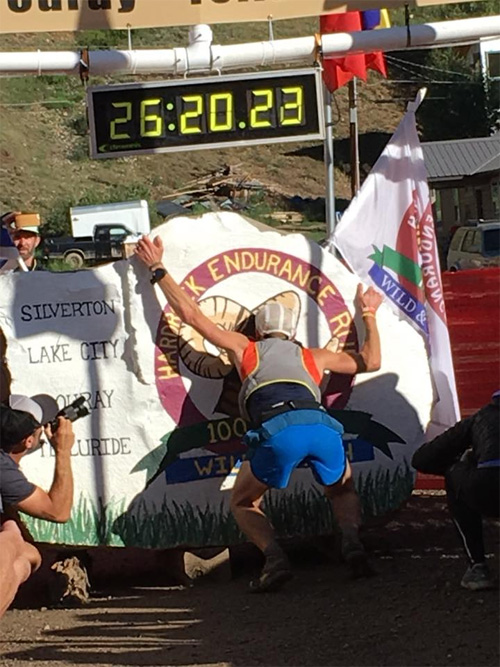
In Hardrock, there are 10 rules that must be obeyed in order to consider oneself a finisher – some of the rules are curt and masochistic, such as Rule 8: Enjoy yourself!!!, while others speak to the tradition of the run, such as Rule 10: You must kiss the Hardrock upon completion of the run. Rule 5, however, limits athletes to taking on supplies only within 400 yards of an aid station.
Two miles outside of the Ouray aid station, Xavier was seen at his crew car, receiving ice and water. Since this incident occurred outside of the 400 yard radius, it was in violation of rule 5 and after careful review by a committee, grounds for disqualification. While all this was occurring, Xavier Thévenard continued to push a punishing pace and was on track to once again break 24 hours on the course. At Cunningham Gulch – the final aid station on course at Mile 91, the news of his disqualification was made public and Xavier retired from the course.
In a Facebook post following the race, the Hardrock committee emphasized that the decision was made without malicious intent and encouraged Xavier to join the lottery for a future Hardrock. Xavier Thévenard was evidently disheartened by this news and posted on Social Media that the rule was “excessive” and the committee’s decision “unfair” and that he would have difficulty when looking to the future.

Seizing Opportunity

While this drama was occurring up front, Jeff Browning continued to strengthen his hold on second position. In an interview with IRunFarMedia, Jeff says that he lost track of the flagging in the dark and had to backtrack 2 kilometers down a ridgeline. While doing so, he ran into Troy Howard, who was making his own bid for glory; after a quick exchange, Browning surged to re-establish a gap over Howard. When Jeff reached the Cunningham aid-station he was informed of Xavier’s disqualification; according to Browning on his new found fortune, “[the] race dynamic changes and mentality changes – you have to roll with whatever opportunities present themselves”. On hearing this news, Browning quickly shed all excess weight, took 2 gels and promptly returned to the course.
Heading up the final big climb of Hardrock, Browning noticed a light following him up the switchbacks – this was from the late charging Jeff Rome who was having a special day and had moved up into second position. Despite Rome’s efforts Browning was not to be caught and finished in a time of 26 hours and 20 minutes. Rome finished 14 minutes later, in 26:34 while Troy Howard held on to third place, finishing in 27 hours and 9 minutes. On IRunFarMedia, Browning said that “out of all my wins, this is the most special”.

Women’s Race

On the Women’s side, Sabrina Stanley was focused completely on the Hardrock race. Prior to the race, she posted on social media that she wanted to win and break 30 hours. Taking the lead early on, she established herself as the clear favorite; at the Chapman aid-station, Stanley was feeling strong and with Nikki Kimball on her tail, pushed hard up towards Oscar Pass, building a substantial lead. As the day progressed, Stanley kept getting stronger and stronger and finished just outside her goal, in 30 hours and 23 minutes. For Kimball, who had been dealing with injury earlier in the year, second place was a strong result – especially after experiencing altitude sickness early on in the race; Kimball finished in 32 hours and 18 minutes. Darla Askew, who has twice podiumed before at the Hardrock race finished in 3rd, in 32 hours and 52 minutes.

Full Results

Full results can be found here.

Filed Under: News Shorts Tagged With: Hardrock 100

  • « Previous Page
  • Page 1
  • …
  • Page 4
  • Page 5
  • Page 6
  • Page 7
  • Page 8
  • …
  • Page 45
  • Next Page »

Primary Sidebar

  • Facebook
  • Instagram
  • YouTube
Our Facebook Page

skimo-manual-banner-300px
 

Recent Articles

  • Kilian Jornet Interview: About His New Foundation, His Own Environmental Impact, and How He Wants To Help Athletes and The Outdoor Industry To Protect Nature
  • How Fast Are Glaciers Really Melting? How Will This Affect Your Mountain Adventures? Interview with Pascal Egli
  • Book Review – Art of Freedom: The Life and Climbs of Voytek Kurtyka
  • Forest Skis: Innovative, Custom Build, For Backcountry Skiing and Freeride
  • Lighter and Completely Redesigned: New CAMP Ultralight Ski Mountaineering Ice Axes

Categories

  • Contests & Giveaways
  • Crazy Tracks
  • Events & Races
  • Gear, Tech & Food
  • General News & Articles
  • Industry Press Releases
  • Movies & Books
  • News Shorts
  • People (Interviews)
  • Racing 101
  • Reports & Results
  • Reviews
  • Skimo Racing
  • Training, Tricks & Tips
  • Trip Reports & Conditions

Footer

About SkinTrack

Travelling through snowy mountains on skis is like flying… and experiencing life at its core.

Gear reviews, interviews, adventures, contests, skills, skimo training, race reports – we connect you to all things related to self-propelled skiing.

SkinTrack.com, created by Stano Faban, was born out of passion for ski mountaineering and ski touring. Over the years, it has become one of the most popular ski mountaineering blogs in North America.

Recent Articles

  • Kilian Jornet Interview: About His New Foundation, His Own Environmental Impact, and How He Wants To Help Athletes and The Outdoor Industry To Protect Nature
  • How Fast Are Glaciers Really Melting? How Will This Affect Your Mountain Adventures? Interview with Pascal Egli
  • Book Review – Art of Freedom: The Life and Climbs of Voytek Kurtyka
  • Forest Skis: Innovative, Custom Build, For Backcountry Skiing and Freeride
  • Lighter and Completely Redesigned: New CAMP Ultralight Ski Mountaineering Ice Axes

Useful Links

Comparing the lightest: Skis | Boots | Bindings

Skimo Training: Training Plans | Videos

Stay in Touch

  • Facebook
  • Instagram
  • Twitter
  • YouTube

Copyright © 2025 SkinTrack.com. All rights reserved.